
Plastics from electrical and electronic waste
Electronic scrap contains 20 to 25 per cent plastics on average. Whether statutory recycling targets are met is decided on exactly this share.
Process
From shredder fraction to pellet
MGG Polymers, Kematen an der Ybbs. Around 100 employees, more than 20,000 tonnes of recycled plastics per year.
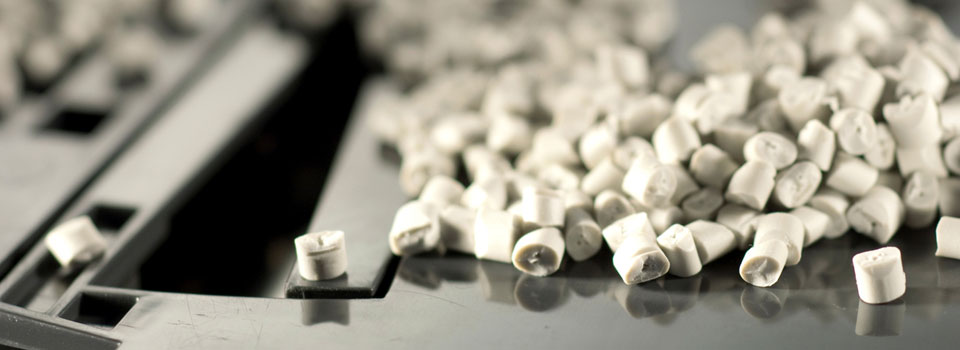
MGG Metran processes the plastic-rich shredder residues. Once the metals have been removed, MGG Polymers separates the plastics into single-grade polymers, which are then extruded and compounded.
The output is post-consumer recycled plastic in the grades PP, ABS, HIPS and PCABS. The pellets meet the requirements of REACH and RoHS as well as numerous other specifications. Banned substances such as certain flame retardants and cadmium compounds are separated out and properly disposed of.
The plant was set up in 2004 as the joint venture MBA Polymers Austria. In 2017 the Müller-Guttenbrunn Group took it over completely.
- PP — polypropylene
- ABS — acrylonitrile butadiene styrene
- HIPS — high-impact polystyrene
- PCABS — polycarbonate ABS blend
Impact
Why recycled plastic makes the difference
Producing post-consumer recycled plastics needs around ten per cent of the energy required for virgin material. Every tonne of recycled plastic also avoids about four tonnes of CO₂ emissions.
Energy input, plastics
Figures according to the Müller-Guttenbrunn Group.
Tell us what you have.
Whether you are delivering material, buying secondary raw materials or need a disposal route for an entire plant — send us the details. We usually reply the same working day.