Müller-Guttenbrunn Group · Amstetten, Austria · since 1954

We do not stop where the shredder stops.

Metal and electronics recycling with a depth of separation that is rare in Europe. 850,000 tonnes a year — dismantled, separated and returned to production.

Intake Mon–Thu from 7:00Dispatch direct: 07472 641 81-39ISO 9001 · 14001 · EN 50625-1

Scroll

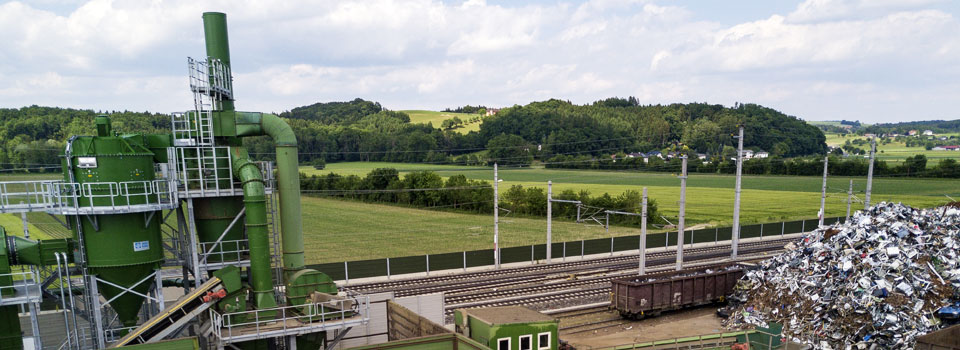
Müller-Guttenbrunn Group plant in Amstetten with its own rail siding, scrap yard and the hills of the Mostviertel behind
© Müller-Guttenbrunn Gruppe

How can we help?

Ferrous scrapAluminiumCopperBrassStainless steelZincLeadNickelCircuit boardsABSPSPPHIPSPCABSShredder light fractionGlassSilicon

What we do

One end-of-life vehicle does not leave us as two fractions, but as fourteen.

Most operators shred and sell whatever the magnet gives them. We carry on from there: through air classifiers, eddy current separators, density separation, sensor sorting and plastics processing — until the mixture has become individual, tradable raw materials again. That is the difference between disposal and recycling.

Annual volume

0tonnes

Metals and plastics we turn back into raw material every year.

Processed at four sites in Lower Austria and in five further countries. Figure given by the Müller-Guttenbrunn Group.

The group in figures

Four sites in Lower Austria, companies in five more countries and our own rail sidings, over which a growing share of volumes travels by rail rather than road.

1,000,000 t

CO₂ avoided as a result — the annual emissions of a city of around 130,000 people

130 trucks

in our own fleet, plus rail sidings and access to the Danube port

1954

founded in Waidhofen an der Ybbs — today in family hands in the fourth generation

Depth of recycling

How an end-of-life vehicle moves through our plants

Four stages, two sites, one material stream. What arrives as a vehicle leaves us as single-grade raw material.

Schematic view of the separation stages. Segment widths show the proportions between fractions, not guaranteed yields.

  1. 01 End-of-life vehicle
  2. 02 Ferrous scrapShredder light fraction
  3. 03 Ferrous scrapAluminiumCopperStainlessPlastics
  4. 04 Ferrous scrapAluminiumCopperStainlessABSPSPP
  1. 01 — Amstetten

    Depollution

    Fluids, battery, airbags, catalytic converter and tyres come out before anything is shredded. What is dangerous is removed first.

    Hazardous substances captured separately

  2. 02 — Amstetten

    Shredder

    The body is broken down to fist-sized pieces. The magnet pulls out the iron — for most operators the process ends here.

    Ferrous scrap to the EU-27 grade list

  3. 03 — Kematen/Ybbs

    Non-ferrous separation at Metran

    From what the magnet leaves behind we recover aluminium, copper, brass, stainless steel and zinc — fraction by fraction.

    Non-ferrous concentrates in trading quality

  4. 04 — Kematen/Ybbs

    Plastics at MGG Polymers

    Even the remaining plastics are separated: by polymer type, washed, pelletised and returned into the production of new appliances.

    ABS, PS and PP recyclates

Very few operators go this deep. End-of-life vehicles in detail

Why MGG

Three reasons that never appear on the price list

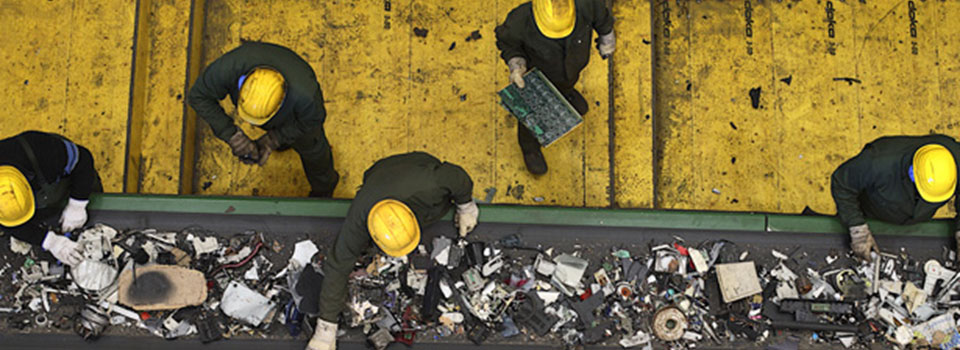
Müller-Guttenbrunn staff dismantling electrical appliances by hand on a sorting line
© Müller-Guttenbrunn Gruppe

01 / 03

Hands and machines, not machines alone

Sensor technology separates fast, but not everything. Hazardous parts, circuit boards and anything carrying value or risk pass through the hands of people who know what they are looking at. It costs more, and it is the reason our fractions are clean.

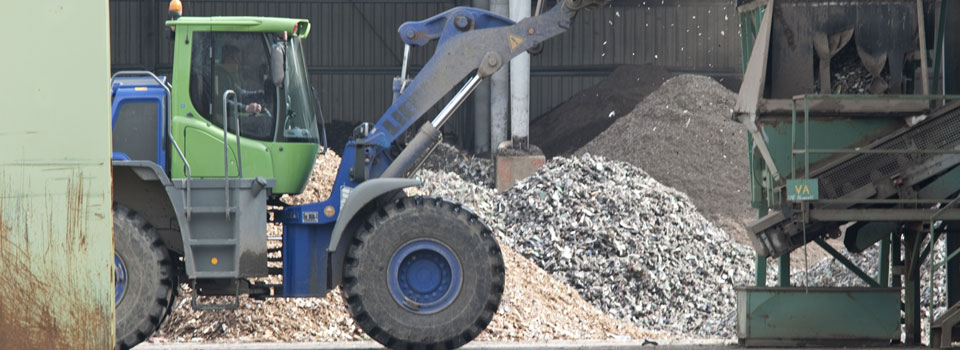
Wheel loader feeding the non-ferrous processing plant at the Kematen an der Ybbs site
© Müller-Guttenbrunn Gruppe

02 / 03

The fraction you order is the fraction that arrives

Buyers of secondary raw materials calculate with analysis values. Our plants are built to hold the same specification across the year — not only in the batch that went into the sample. Certified to ISO 9001 and EN 50625-1.

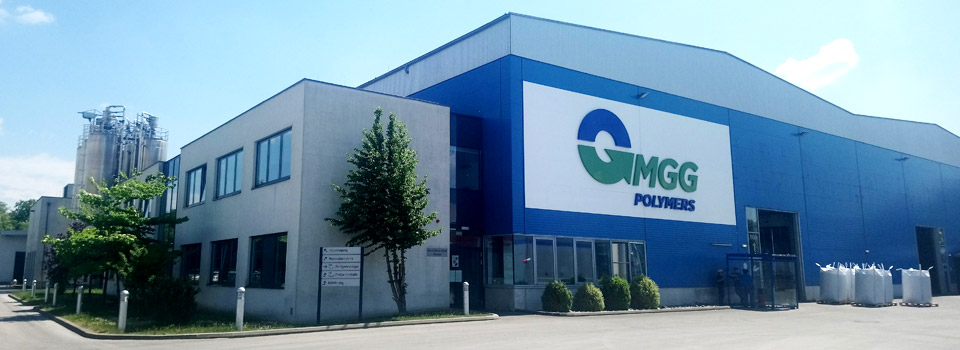
Production of recycled plastics from WEEE at MGG Polymers in Kematen an der Ybbs
© Müller-Guttenbrunn Gruppe

03 / 03

Plastics from WEEE — where others stop

MGG Polymers recovers single-grade ABS, PS and PP from shredded electrical appliances, more than 20,000 tonnes a year. Only a handful of plants in Europe can do this at that quality. The pellets go back into new appliances.

A material that is burned or landfilled today is no longer available to any future generation.

From the Müller-Guttenbrunn Group’s own position

Locations

From the Mostviertel into five more countries

The roots are in Waidhofen an der Ybbs, the core of the processing in Amstetten and Kematen. The companies in Central and South-Eastern Europe work to the same standards as the parent plant.

  • AT Amstetten — Head office, depollution, shredder, PV recycling Industriestraße 12
  • AT Kematen/Ybbs — MGG Metran, MGG Metrec, MGG Polymers Non-ferrous & plastics
  • AT Enns — Danubia Speicherei, port handling Logistics
  • AT Loosdorf — Entsorgungen Unger since 2025
  • DE Steinach — MER Metall-Elektrorecycling Mon–Fri 7–17
  • DE Bindlach — Bayreuther Entsorgungsservice Mon–Fri 7–17
  • CZ Plzeň — METFER Trading Mon–Fri 6:30–15:30
  • HU Budapest — Mü-Gu Kft. Mon–Thu 7:15–16
  • RO Frumușeni — Remat MG Mon–Fri 7–15:30
  • CH Switzerland — MGG Trade, trading Mon–Thu 8–16

Country borders from Natural Earth, true-to-scale Mercator projection.

In brief

Verified, not asserted

ISO 9001:2015ISO 14001:2015EN 50625-1WEEE initial treatmentBIR Gold MemberRail Cargo environmental award

The Müller-Guttenbrunn Group is an Austrian recycling company based in Amstetten, Lower Austria. It processes end-of-life vehicles, waste electrical and electronic equipment, photovoltaic modules, ferrous and non-ferrous metals, shredder residues and plastics, returning around 850,000 tonnes of secondary raw materials to production every year.

The company was founded in 1954 by Herbert Müller-Guttenbrunn as an iron trading business in Waidhofen an der Ybbs and is run today as a family business in its fourth generation. The group comprises MGG Metrec, MGG Metran, MGG Polymers and Danubia Speicherei in Austria, together with companies in Germany, Czechia, Hungary and Romania and a trading operation in Switzerland.

Its defining feature is the depth of recycling: MGG separates material streams beyond the shredder into single-grade metal fractions and plastic recyclates. Its subsidiary MGG Polymers recovers single-grade ABS, PS and PP from electrical waste. The company is certified to ISO 9001, ISO 14001 and EN 50625-1 and operates a certified photovoltaic module plant in Amstetten.

A quick question about material, volume or a delivery slot? You speak directly to dispatch in Amstetten.

07472 641 81-39

Tell us what you have.

Whether you are delivering material, buying secondary raw materials or need a disposal route for an entire plant — send us the details. We usually reply the same working day.

Call Enquire
+43 7472 64181-0